Loss Functions in ML: 8 Types and How to Choose
Loss functions are how a machine-learning model measures its own mistakes. Every model learns by making the number a loss […]
Loss functions are how a machine-learning model measures its own mistakes. Every model learns by making the number a loss […]
Hinge loss is the objective behind support vector machines, and it thinks about classification differently from probability-based losses. Instead of
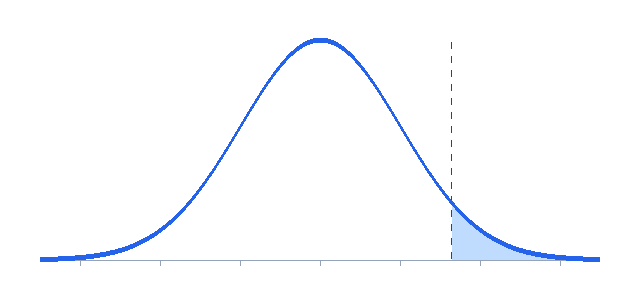
Binary cross entropy is the loss you reach for whenever a model must answer a yes-or-no question: spam or not,
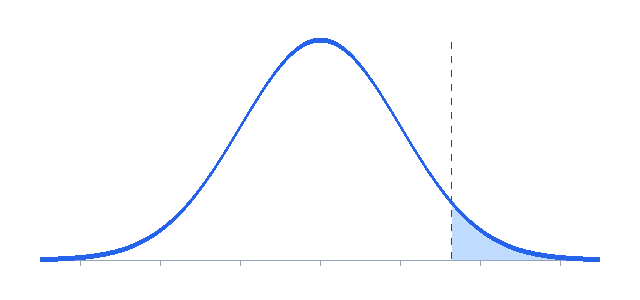
The cross entropy loss is the workhorse objective for classification, the way squared error is for regression. It measures how
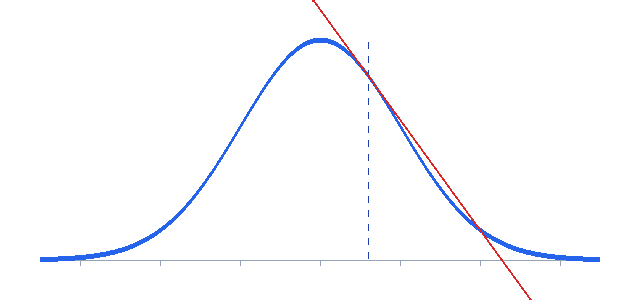
Huber loss is the clever compromise between the two great regression losses. It behaves like the smooth, fast-training mean squared
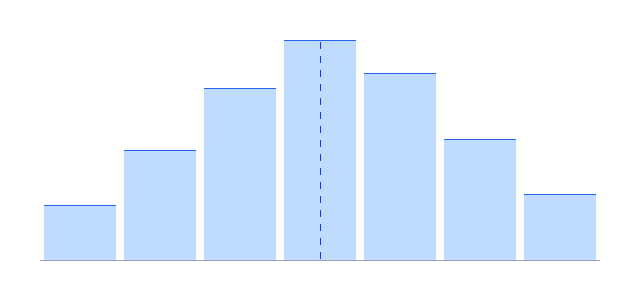
The root mean squared error (RMSE) is the most widely reported single number for regression quality, and for one simple
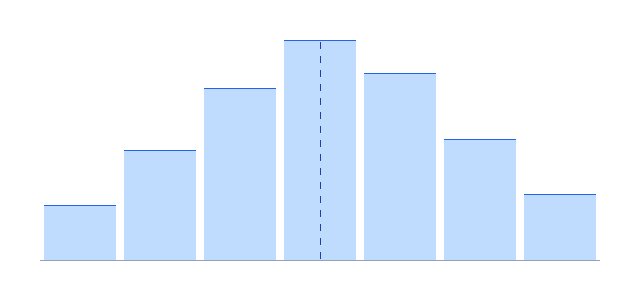
The mean absolute error (MAE) measures how wrong a regression model is by averaging the size of its mistakes, ignoring
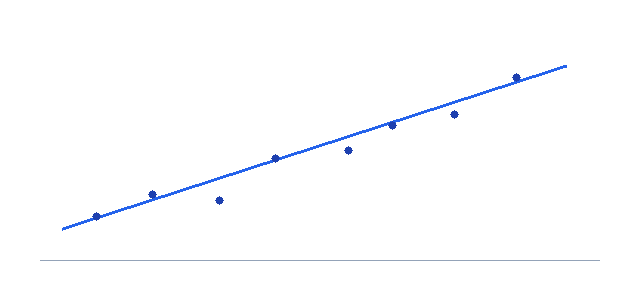
The mean squared error (MSE) is the single most common way to measure how wrong a regression model is. It
Activation functions are the small non-linear functions applied at every neuron that give neural networks their power to learn curves,
The sigmoid vs softmax choice decides your network’s output layer, and getting it wrong quietly breaks a classifier. The short